
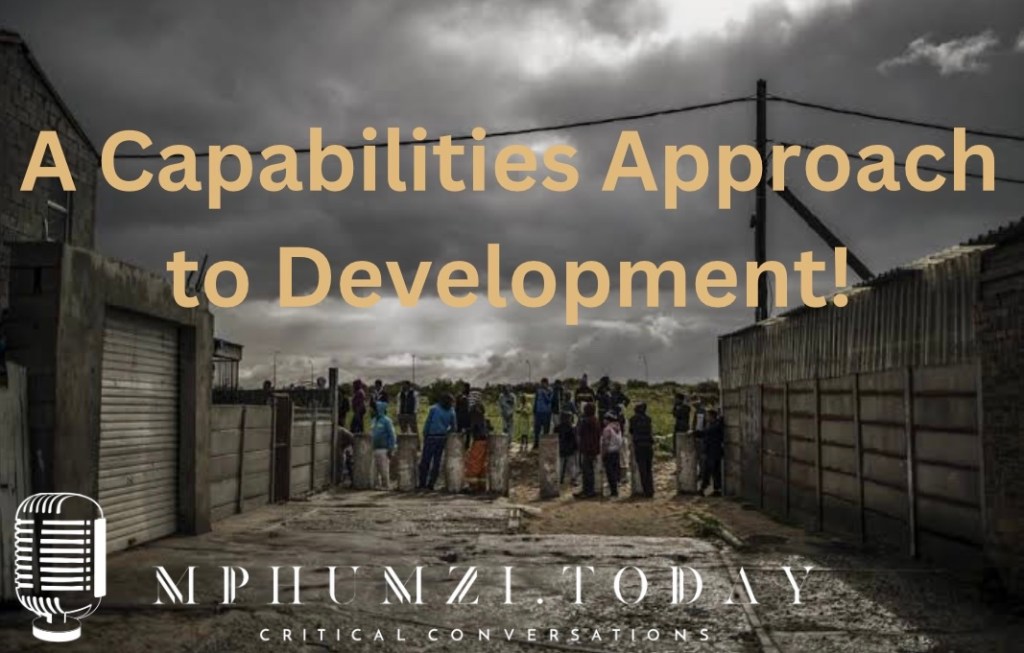
Economics and philosophy are intertwined and cannot be separated. Hence, the biggest contributors to economic thought were philosophers. An economic system stems from philosophical questions pertaining to how scarce resources should be distributed.
The economic problem is as follows: by definition economics is the study of scarcity and its implications for the use of resources, production of goods and services, growth of production and welfare over time, and a great variety of other complex issues of vital concern to society. In simple terms: people have unlimited needs and wants, but there are limited resources — meaning there is relative scarcity (people cannot have everything they want) … Necessitating choice. This becomes the economic problem: how to satisfy everyone with the limited resources? Yes, it is also a philosophical question.
It is a philosophical question because it involves fundamental ethical and moral questions about what constitutes progress, prosperity, and human flourishing. Philosophical questions related to economic development include:
What is the goal of economic development? Is it to maximise economic growth, improve the well-being of citizens, or achieve some other objective?
What values should guide economic development? Should it prioritise economic efficiency, environmental sustainability, social justice, or some combination of these values?
Who benefits from economic development? Should it be focused on maximising the benefits for the wealthy and powerful or should it prioritize the needs of the marginalised and vulnerable?
What role should the government play in promoting economic development? Should it be a facilitator, a regulator, or a more active participant in the economy?
How can economic development be achieved without harming the environment or future generations?
Let me ask one more question; who has answered these pertinent questions on your behalf? Who? Whose economic system is this?
Capabilities Approach vs Others
What economic development is. Economic development refers to the sustained, long-term growth of an economy that leads to improved standards of living for its citizens. This growth is typically measured in terms of increases in per capita income, employment opportunities, and access to essential goods and services.
Economic development involves a variety of factors, including the creation of new businesses, the expansion of existing industries, the development of infrastructure such as transportation and communication networks, and the improvement of education and healthcare systems. It also involves policies that promote a favourable business environment, such as tax incentives, regulatory reforms, and trade agreements.
Ultimately, the goal of economic development is to increase the overall well-being of a society by promoting economic growth, reducing poverty and inequality, and enhancing the quality of life for all citizens.
There are several different theories of economic development that attempt to explain the process by which countries become more prosperous over time. Some of the most prominent theories include:
Modernisation Theory: This theory posits that economic development is a process of modernization that involves a shift from traditional to modern society. This shift is characterized by changes in values, institutions, and technology, which lead to increased productivity, higher levels of education, and greater political and social stability.
Dependency Theory: This theory argues that economic development is constrained by the relationship between developed and underdeveloped countries. Developed countries use their economic and political power to exploit underdeveloped countries, keeping them in a state of dependency and preventing them from achieving sustained economic growth.
Structuralism: This theory emphasizes the role of government intervention in promoting economic development. Structuralists argue that markets alone cannot address the structural problems that hinder development, such as inequality, lack of infrastructure, and underdeveloped financial systems. They advocate for policies such as industrial planning, import substitution, and investment in human capital.
Neoclassical Theory: This theory emphasizes the importance of free markets and private enterprise in promoting economic growth. Neoclassical economists argue that government intervention in the economy creates distortions and inefficiencies that inhibit growth. They advocate for policies such as deregulation, trade liberalization, and fiscal discipline.
Institutionalism: This theory emphasizes the importance of institutions and governance in promoting economic development. Institutionalists argue that well-functioning institutions, such as property rights, rule of law, and democratic governance, are essential for creating an environment that fosters investment, innovation, and economic growth.
Amartya Sens’s Capability Approach
Amartya Sen’s “Capabilities approach” is a theoretical framework for understanding and evaluating human development and well-being. Unlike other traditional economic models that focus solely on income or wealth, the capabilities approach emphasises the importance of considering a person’s freedom to achieve a variety of valuable “capabilities” that are essential for leading a fulfilling life.
In this approach, “capabilities” refer to a person’s real opportunities to achieve certain valuable functionings or outcomes, such as having access to healthcare, education, or a decent standard of living. Sen argues that the purpose of economic development should be to expand people’s capabilities, rather than simply increasing their income or GDP.
Sen also emphasizes the importance of personal agency and choice in determining one’s capabilities. People should have the freedom to pursue their own goals and aspirations, and this freedom is an essential component of human development.
The capabilities approach has had a significant impact on development policy and has been used to design policies and programs that focus on expanding people’s capabilities, such as promoting universal access to education and healthcare, improving social protection, and strengthening human rights.
In the context of the capabilities approach, “capabilities” refer to the real opportunities that people have to achieve certain valuable outcomes or functionings that are essential for leading a fulfilling life.
For example, having the capability to be healthy means having access to healthcare services and a healthy environment, as well as the knowledge and resources needed to maintain good health. Similarly, having the capability to be educated means having access to quality education, as well as the ability to use that education to achieve one’s goals and aspirations.
The capabilities approach emphasizes that people’s well-being and development should be evaluated not just based on their income or wealth, but also based on their ability to achieve these valuable outcomes or functionings. By focusing on capabilities, the approach aims to promote human freedom and well-being, and expand people’s opportunities to lead fulfilling lives.
In the context of the capabilities approach, personal agency and choice refer to an individual’s ability to make decisions and take actions that affect their own lives.
Personal agency means having the freedom and ability to make choices based on one’s own goals and values, rather than being limited by external constraints or social norms. It includes the ability to act on one’s choices and make changes in one’s life.
Choice refers to the options or alternatives that are available to an individual. In the context of the capabilities approach, the focus is on expanding the range of choices that people have, rather than prescribing a particular set of choices or outcomes. The capabilities approach recognizes that personal agency and choice are essential components of human well-being and development. It emphasizes the importance of expanding people’s opportunities and freedoms, and enabling them to pursue their own goals and aspirations. By promoting personal agency and choice, the approach aims to enhance human flourishing and promote a more just and equitable society.
Email: mphumzimm@icloud.com
Call: 0726906903
Twitter: @Mphuramerciful
 MPHUMZI TODAY